Sewer Backups: Everything You Need to Know
Learn what causes sewer backups, how to spot the warning signs, the difference between a drain clog and a main sewer problem, and which repair options offer a real long-term fix.


Learn how to unclog a bathtub drain using simple tools and safe methods. Many common bathtub clogs caused by hair and soap buildup can be removed in a few easy steps.
Summarize with
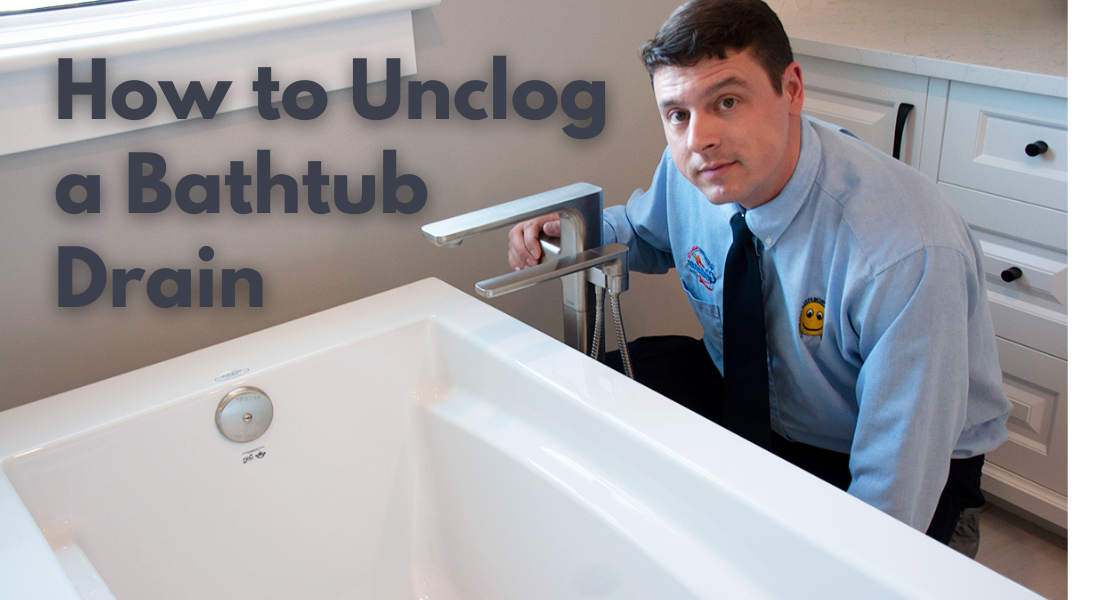
Bathtub and shower drains are among the most common drains to become clogged in a home. The good news is that many bathtub drain clogs can be cleared by homeowners using a few simple tools and steps.
If the clog is located near the drain or in the piping directly under the tub, there is a good chance you can remove it yourself without calling a plumber.
Bathtub drains often clog due to a combination of hair, soap residue, and debris that builds up over time. Hair can form a tangled mass inside the drain, while soap scum and other particles stick to it and gradually restrict the flow of water.
While chemical drain cleaners are sometimes used, they are often ineffective for this type of clog and may damage your plumbing system.
The most effective solution is usually to remove the clog manually.
Bathtub drain clogs usually occur in one of three places:
If the clog is near the drain or in the nearby piping, most homeowners can remove it themselves. If the clog is deeper in the plumbing system, professional tools may be required.
If your bathtub has a pop-up drain or mechanical stopper, remove it first. Many bathtub stoppers have a small knob that can be unscrewed from the top.
Use two pairs of pliers if needed. Hold the base of the stopper with one pair while turning the knob counterclockwise with the other.
Pro tip: Place a cloth or rag between the pliers and the stopper to avoid scratching the finish.
Under the knob you will typically find a screw that holds the drain plug in place. Remove this screw and lift the stopper out of the drain.
Once removed, you should be able to see directly into the drain opening.
Look down the drain and check for hair buildup. Use needle-nose pliers or a small grab tool to pull out any hair or debris you can reach.
Pro tip: Be prepared — drain clogs can be unpleasant. Keep a garbage bag nearby for easy cleanup.
If the clog was near the top of the drain, reassemble the stopper and run water to test the drain. If the water flows normally again, the clog has been cleared.
If the drain is still slow, continue to the next steps.
Locate the overflow plate on the wall of the tub, usually a few inches above the drain opening. Remove the screw holding the plate in place.
Pro tip: Plug the drain before removing the screw so it does not accidentally fall into the drain.
Removing the overflow plate provides direct access to the pipe leading to the drain trap.
Straighten a metal coat hanger and bend a small hook at the end.
Insert the hooked hanger down the overflow pipe until you feel resistance.
Rotate the hanger to catch hair or debris and slowly pull it back out. Repeat this process until you no longer pull up material from the pipe.
Run water again to see if the drain is flowing properly. If the water drains normally, reinstall the overflow plate and stopper.
If your bathtub continues to drain slowly after these steps, the clog may be deeper in the plumbing system. At that point, professional tools such as drain augers or cameras may be needed to locate and remove the blockage.
If you need help clearing stubborn clogs, The Gentlemen Pros can assist with professional plumbing services to safely restore proper drainage in your home.
TRENDING NEWS
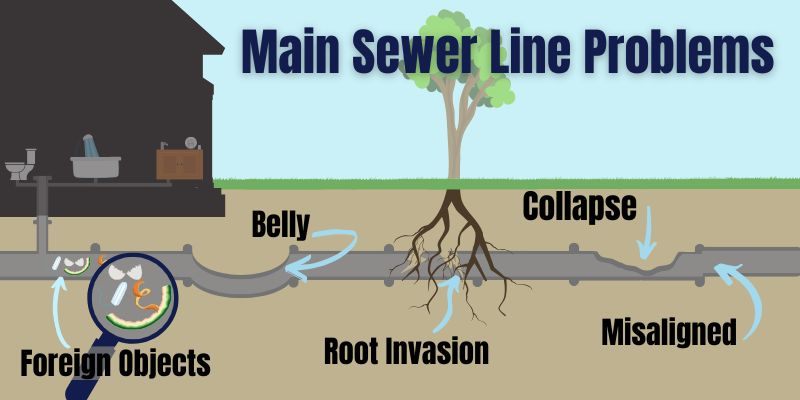
Learn what causes sewer backups, how to spot the warning signs, the difference between a drain clog and a main sewer problem, and which repair options offer a real long-term fix.




Plumbing, heating & electrical service
2026 The Gentlemen Pros