
Judy Pritchard
Julian was very polite and very informative. Came in and solved our problem in record time plus advised us another issue that we need to look at.
★★★★★
Five-Stars • Google


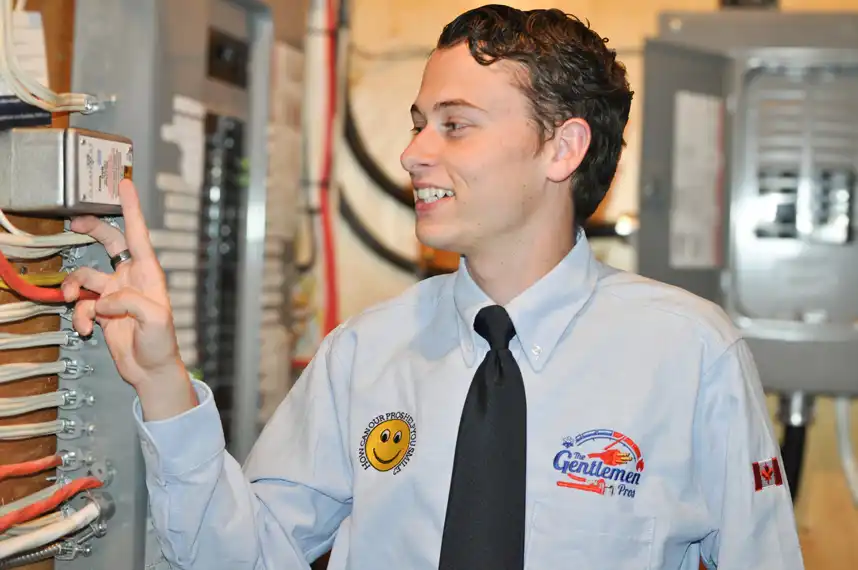

Julian was very polite and very informative. Came in and solved our problem in record time plus advised us another issue that we need to look at.
Chris was very kind and did a top tier job. I have no complaints and he gave honest recommendations and the truth about what we needed and what could wait.
I was very pleased with my experience today. Stan was very personable and patiently answered all of our questions. His suggestions were accompanied by clear reasoning which made it easy to trust his judgement. I would certainly be happy to have him do work at our home in the future. All of our experiences with the Gentlemen Pros has been positive. I strongly recommend them
Need Help?
(403) 879-1759
Professional Calgary electricians for panel inspections, breaker problems, fuse box replacements, and electrical service upgrades.
Your electrical panel is responsible for distributing power throughout the home and protecting each branch circuit with breakers or fuses. Because it is such an important part of the electrical system, problems at the panel can affect both safety and reliability. If the panel is outdated, overloaded, damaged, or no longer suited to the home's electrical demands, it should be inspected by a qualified electrician.
Our Calgary electricians inspect residential electrical panels, diagnose panel-related issues, and help homeowners understand whether repair, updating, or a full upgrade makes the most sense. Whether you are dealing with repeated breaker trips, limited circuit space, an older fuse box, or concerns about adding new equipment, we can review the system and explain the next steps clearly.
The panel is where incoming power is divided and routed to the individual circuits that serve lighting, outlets, appliances, and major household equipment. It also provides overcurrent protection by shutting power off when a circuit is overloaded or a fault is detected. When the panel is not functioning properly, the entire electrical system can become less dependable and potentially less safe.
This becomes especially important in older homes or homes that have gradually added more electrical demand over time without the service being updated to match.
In some homes, panel issues are obvious. In others, the warning signs are easier to overlook at first. An inspection can help determine whether the concern is limited to one breaker or circuit, or whether the panel itself needs attention.
These are all signs that the panel and overall service should be reviewed before the problem gets worse or before new electrical loads are added.
The main breaker controls power to the house and helps protect the overall service. Below that, individual branch breakers protect specific circuits. If one of those circuits draws too much power or develops a fault, the breaker trips to prevent damage to the wiring and reduce the risk of unsafe conditions.
Repeated tripping is not something homeowners should ignore. It often means the circuit is overloaded, the breaker has a problem, or the home's electrical setup is no longer matched to how the system is being used.
If a home still has a fuse box, it is usually worth discussing an upgrade. Fuse-based systems are older, less flexible, and generally less convenient for modern household electrical needs. They can also make future additions and upgrades more difficult to plan safely.
Modern breaker panels provide more practical circuit management, better serviceability, and a stronger foundation for current and future electrical demands.
Not every panel issue requires a full service change, but there are many situations where updating or upgrading the panel is the best long-term solution. This is especially true when the home has outgrown the original service design.
An upgraded panel can also make future improvements easier by giving the home more flexibility for later electrical work.
Panel inspections are also useful when buying an older home or planning a renovation. A panel may appear to be working normally but still be near the point where replacement or a service upgrade should be considered. Identifying that early can help homeowners budget properly and avoid surprises once the project is underway.
It is often easier to plan for panel work before adding new circuits, finishing a basement, or starting a larger renovation than it is to deal with capacity problems later.
Any sign of buzzing, heat, damage, repeated breaker trips, rust, or unreliable panel operation should be taken seriously. The electrical panel is not a place for guesswork or repeated temporary fixes. Resetting a breaker again and again without understanding why it tripped can hide a larger problem that needs professional review.
Our Calgary electricians inspect panels carefully, explain what we find in plain language, and recommend practical options based on the age, condition, and capacity of the system.
Homes use far more electricity today than they did years ago. Renovations, home offices, basement developments, air conditioning, electric heating, EV chargers, and other upgrades all add demand. A panel that once seemed adequate may now be undersized or simply lacking the space and flexibility the home needs.
If you are seeing signs of panel strain or planning to add major electrical loads, an inspection is the best place to start. It gives you a clearer picture of whether your current panel is still suitable or whether an update will improve safety, reliability, and future options.
Frequent breaker trips, an older fuse box, limited space for additional circuits, or plans to add high-demand equipment such as EV chargers or air conditioning are common signs that your panel may need to be inspected or upgraded.
Yes. Breakers are designed to trip when a circuit is overloaded or unsafe. If it happens repeatedly, the cause should be investigated instead of simply resetting the breaker again and again.
In many homes, yes. Fuse boxes are outdated for modern electrical demands and are often a strong candidate for replacement with a modern breaker panel.
Maybe, but your panel and service capacity should be assessed first. High-demand equipment often requires dedicated circuits and enough available electrical capacity to support the additional load safely.
An inspection typically involves reviewing the panel condition, breaker layout, service size, available capacity, visible safety concerns, and whether the system appears suitable for the home’s current and future electrical needs.

A properly functioning panel helps protect your home by shutting power off when circuits become overloaded or unsafe.

Panel inspections and upgrades help ensure your home can support today’s appliances, equipment, and future electrical additions.

Upgrading from an older fuse box to a modern breaker panel can improve reliability, flexibility, and day-to-day convenience.
We explain the condition of your current panel and help you understand whether repair, updating, or a full upgrade is the right next step.




Plumbing, heating & electrical service
2026 The Gentlemen Pros